Warmth and Texture: Using Rattan & Wicker Backgrounds in Design
Capturing Organic Sophistication
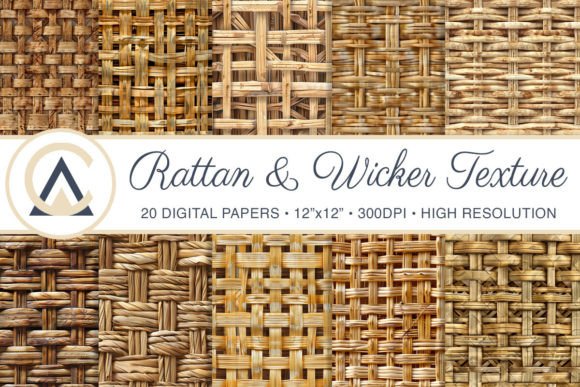
There is a specific kind of visual warmth that digital screens often struggle to replicate. It is the feeling of a sunlit porch, the tactile comfort of a hand-woven chair, or the earthy elegance of coastal decor. Rattan & Wicker Wood Texture Backgrounds are designed to bridge that gap, offering a collection of high-fidelity surfaces that bring organic sophistication to your projects. These are not just flat images; they are complex, woven patterns that mimic the interlacing fibers found in traditional furniture and basketry. The visual personality of these textures is distinct—they convey a sense of sustainability, craftsmanship, and relaxed luxury. For designers and creators, this means accessing a resource that instantly grounds a design, moving it away from sterile digital environments and into a space that feels lived-in and authentic.
When you look at a high-quality wicker texture, you see the interplay of light and shadow across the ridges and grooves of the weave. This creates a natural depth that adds dimension to any background. Whether you are working on a minimalist website that needs a touch of warmth or a vintage-inspired scrapbook page, the versatility of the Rattan & Wicker Wood Texture Backgrounds makes them an indispensable asset. They serve as a perfect foundation for typography, photography overlays, or standalone decorative elements.
Practical Applications for Modern Creators
The true value of a design asset lies in its utility. Because these textures are seamless, they can be tiled infinitely without showing obvious edges, making them ideal for large-format printing and digital displays alike. For the entrepreneur or small business owner, this opens up a wide array of possibilities for branding and product creation.
Consider the following practical uses for this collection:
- Packaging and Product Design: If you sell handmade goods, candles, or organic products, wrapping your items in paper featuring a wicker texture background reinforces the narrative of your brand. It suggests natural ingredients and care in production.
- Website and UI Design: In web design, these textures work exceptionally well as background images for footers, sidebars, or hero sections. They add visual interest without overwhelming the content, provided you maintain good contrast for readability.
- Stationery and Invitations: For events with a boho, rustic, or tropical theme—such as weddings or garden parties—these backgrounds provide the perfect setting for typography. The texture acts as a visual anchor, making the text feel integrated into the medium rather than floating in space.
- Digital Marketing: Social media graphics benefit greatly from texture. A flat color can sometimes feel generic, but a rattan background adds a layer of professionalism and style to Instagram stories, Pinterest pins, and Facebook headers.
The files are provided in high-resolution formats (300 DPI and 3600x3600px), ensuring that the details remain crisp even when printed on physical products like t-shirts or mugs. This level of quality is essential for maintaining a professional standard in your creative output.
Integrating Texture with Typography
One of the most common challenges when using complex backgrounds is ensuring that text remains legible. A busy texture can clash with intricate typefaces, resulting in a messy or unreadable design. When working with Rattan & Wicker Wood Texture Backgrounds, the choice of typography is critical to achieving a balanced composition.
Because the woven pattern of rattan is inherently busy—comprising many lines and curves—it is generally best to pair it with cleaner, more robust typefaces. A bold sans serif font often works best for headlines, as the solid, geometric shapes of the letters provide a pleasing contrast to the organic irregularity of the weave. For body text, ensure there is sufficient padding or a semi-transparent overlay behind the text to separate it from the background noise.
However, if your project aims for a specific aesthetic, such as a vintage apothecary or a bohemian bakery, a script font or handwritten font can be effective. The key is to use these sparingly and at a larger scale. You might also consider using the texture as a "knockout" or "mask," where the text is filled with the texture rather than sitting on top of it. This technique works beautifully for logo design or large display headers, allowing the wood texture to become part of the letterforms themselves.
Evaluating Fit for Your Brand Identity
Not every texture suits every brand. Before committing to using Rattan & Wicker Seamless Texture Backgrounds, it is worth evaluating whether the visual language aligns with your brand identity. These textures evoke specific feelings: warmth, nature, relaxation, and tradition. They are excellent for brands in the lifestyle, wellness, home decor, and travel sectors. Conversely, if your brand identity is rooted in cold minimalism, industrial tech, or futuristic design, a wicker texture might feel out of place.
When testing these backgrounds, look at the color palette. While natural rattan tends to be beige or tan, digital assets often come in various colorways to suit different needs. Ensure the specific hue complements your existing brand colors. A cool-toned grey wicker might suit a modern interior design blog, while a warm, honey-toned weave is perfect for a summer fashion campaign.
Technical Specifications for Seamless Workflow
For creators who work across multiple platforms, the technical specs of an asset determine how frictionless the workflow will be. The collection includes both PNG and JPEG files, which covers the two most common requirements in digital and print design. The PNG files are particularly useful if you need to layer the texture over other elements or if you need transparency in specific areas (though seamless textures are typically opaque). The JPEGs are ideal for direct use as website backgrounds due to their optimized file sizes.
The "seamless" nature of these files is perhaps their most significant technical advantage. When you are creating large-scale designs—such as a banner for a trade show or a full-page background for a brochure—you often need the image to repeat. If the edges do not align perfectly, the result looks amateurish. With these Rattan & Wicker Seamless Texture Backgrounds, you can scale and tile the image to cover any surface, ensuring a polished, continuous pattern that holds up under scrutiny.
Ultimately, these backgrounds are more than just decorative fills; they are tools for storytelling. By incorporating the tactile quality of woven wood into your designs, you invite your audience to feel a connection to the material world, enhancing the impact of your visual communication. Whether you are designing a wedding invitation or a landing page for an eco-friendly product, the right texture can transform a flat design into an experience.