Transform Your Creations with Holographic Rainbow Foil Backgrounds
Understanding the Allure of Iridescent Design
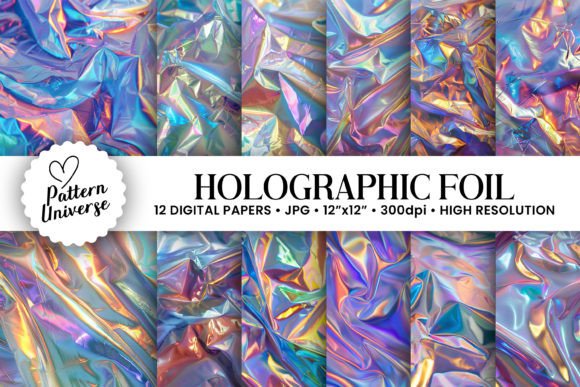
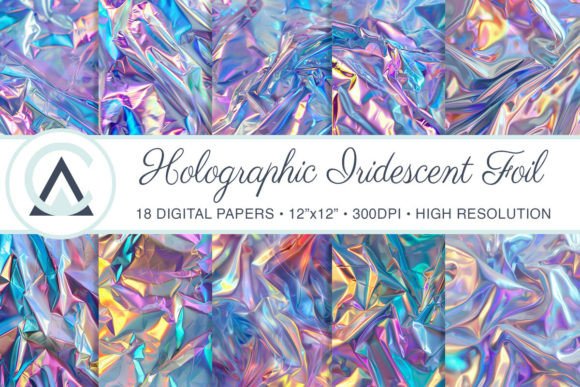
In the world of digital assets, few elements capture attention quite like Holographic Rainbow Foil Backgrounds. These aren't just simple colors or standard textures; they represent a specific aesthetic that mimics the way light refracts off prismatic materials. You have likely seen this effect on premium packaging or high-end stationery—it is that shifting, metallic sheen that changes color depending on the angle. This specific visual characteristic adds a sense of luxury and modernity to any project. The style is inherently futuristic yet deeply nostalgic, often reminding us of 90s holographic stickers, but updated for contemporary modern typography and graphic design needs.
The appeal of these backgrounds lies in their versatility and "wow" factor. Unlike static colors, Holographic Rainbow Foil Backgrounds possess a dynamic personality. They feel energetic, playful, and expensive. For a designer, this texture serves as an instant upgrade to a layout. Instead of a flat, sans serif font sitting on a plain white canvas, placing text over a shifting iridescent surface creates immediate depth and visual hierarchy. It transforms a standard invitation into a keepsake and a basic social media post into a stop-scrolling moment. This is about leveraging design assets that do the heavy lifting for you, providing a complex visual effect without requiring advanced 3D rendering skills.
Practical Applications for Branding and Marketing
For entrepreneurs and small business owners, establishing a brand identity that stands out is crucial. Holographic Rainbow Foil Backgrounds offer a unique way to position a brand as innovative and high-quality. Consider the impact on packaging design; if you are selling physical products like cosmetics, tech accessories, or boutique clothing, using these textures in your mockups or actual packaging inserts suggests a premium product. It tells the customer that the brand cares about aesthetics. This works exceptionally well for businesses targeting younger demographics or those in the beauty and lifestyle sectors, where visual appeal directly correlates with perceived value.
In the realm of web design and social media graphics, attention spans are short. You need visuals that communicate instantly. A hero image on a website that utilizes a subtle holographic gradient can guide the user's eye exactly where you want it. Similarly, for Instagram stories or Pinterest pins, these backgrounds act as a magnet for engagement. They are particularly effective when paired with strong, bold typography. For instance, overlaying a heavy, geometric display font in solid black or crisp white over the rainbow foil creates a high-contrast look that is both readable and striking. This method ensures your message is clear while the background adds the necessary flair.
However, context is key. While these backgrounds are powerful, they are best used as accent pieces or for specific campaigns rather than the entire surface of a dense text document. For example, in editorial design, you wouldn't use a holographic foil as the background for a full page of body text in a serif font—that would cause eye strain. Instead, use it for pull quotes, chapter headers, or sidebar graphics. In logo design, incorporating a holographic texture can make a monogram or icon pop, especially on digital platforms where the color shift can be animated or emphasized.
Technical Specifications and Design Workflow
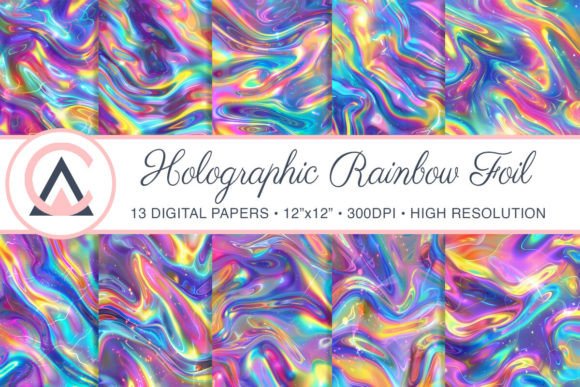
When integrating Holographic Rainbow Foil Backgrounds into your workflow, the technical quality of the file matters immensely. The set I am describing includes 13 distinct textures, all provided in high-resolution formats—specifically 300 DPI at 12x12 inches (3600x3600px). Why does this matter? Resolution determines whether your design looks professional or pixelated. A 300 DPI standard is the requirement for professional printing. Whether you are creating scrapbook paper, physical greeting cards, or wall art, you need files that can handle the translation from screen to ink without losing clarity.
The inclusion of both PNG and JPEG formats offers flexibility for different software environments. JPEGs are excellent for web use where file size is a concern, while PNGs are vital for print work or when you need to layer these backgrounds behind other elements without compression artifacts. Furthermore, these files are designed to be "easy to resize and edit." This is a practical advantage for creative font work and general design. You can adjust the saturation to make the rainbow effect more subtle for a corporate client, or boost the contrast for a festival poster. The ability to manipulate these design assets ensures they fit into various font pairing strategies without clashing.
Crafting and Physical Product Integration
Beyond the digital screen, Holographic Rainbow Foil Backgrounds shine in the world of physical crafting. The "junk journaling" and planner communities, for example, thrive on unique textures. Printing these backgrounds onto sticker paper allows crafters to create their own custom washi tape or planner dashboards. For those selling on platforms like Etsy, these textures are invaluable. You can create mugs, t-shirts, and signs that feature the holographic look (often printed with specialty inks that mimic the effect, or simply using the digital design as a vibrant backdrop).
Consider the application for invitations and event stationery. A wedding or milestone birthday invitation set printed on cardstock featuring a subtle holographic border feels bespoke. It elevates the typeface choice—perhaps an elegant script font or a clean handwritten font—by providing a shimmering frame. For book covers, particularly in the Young Adult (YA) or Fantasy genres, this aesthetic is trending heavily. It signals magic, technology, or the supernatural. By using these specific backgrounds, you are tapping into a visual language that your audience already understands and associates with excitement.
Strategic Recommendations for Implementation
To get the most out of these backgrounds, think about them as a supporting actor rather than the lead, unless you are designing a cover. Your typography is the star. When selecting a premium font to pair with a holographic background, legibility is your primary concern. High-contrast pairings work best. A thin, light-colored serif font might get lost in the rainbow shifts. Instead, opt for bold weights or darker colors. Black text on a holographic background is a classic, timeless combination that ensures your content remains accessible.
Also, consider the "mood" of the specific holographic pattern within the set of 13. Some might lean more towards cool blues and purples, while others might feature warm pinks and golds. Match the background's dominant color shift to the emotion of your project. Cool tones are often perceived as tech-forward and calming, suitable for web design and corporate presentations. Warm tones feel more romantic and energetic, perfect for greeting cards and party supplies.
Finally, remember the licensing aspect. These assets are provided for both personal and commercial use, which is essential if you are a content creator or running a business. You can confidently use them in products for sale, such as POD (Print on Demand) items or digital downloads for other creators. By treating these Holographic Rainbow Foil Backgrounds as a foundational element of your visual toolkit, you gain the ability to quickly produce high-end, professional-looking designs that resonate with a modern audience. Whether you are refining a brand identity or simply adding some sparkle to a personal project, these textures provide the necessary visual impact to make your work memorable.