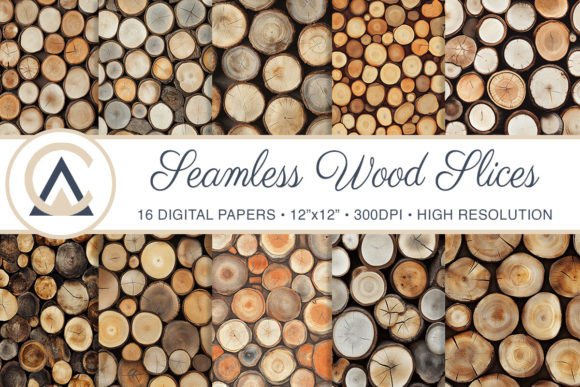
Seamless Wood Slices Texture Backgrounds: A Designer's Guide
The Natural Appeal of Organic Digital Paper
There's something inherently warm and inviting about natural materials. Seamless Wood Slices Texture Backgrounds capture that organic beauty in a versatile digital format. Imagine the intricate rings of a tree, the subtle variations in grain, and the unique character of each cross-section—now imagine that pattern repeating flawlessly across any surface. That's the power of a seamless texture. It's not just a picture of wood; it's a building block for creating cohesive, professional designs that feel grounded and authentic.
These backgrounds offer a specific aesthetic: rustic yet refined, natural yet structured. They work beautifully for projects that need to convey warmth, craftsmanship, sustainability, or a connection to nature. The visual personality is earthy and tactile, making it perfect for brands and creatives looking to add a layer of texture and depth that flat colors or synthetic patterns can't provide. Whether you're designing a logo for a bakery, creating social media graphics for an outdoor brand, or crafting wedding invitations, the right texture sets the entire mood.
Practical Applications Across Creative Fields
The true value of a premium design asset like this lies in its flexibility. Seamless Wood Slices Texture Backgrounds are not limited to one niche. For graphic designers and brand strategists, they become a foundational element in brand identity. A coffee shop might use a subtle wood slice texture on its menu and signage to reinforce its artisanal vibe. A yoga studio could incorporate it into its website background to evoke a sense of calm and natural wellness.
For marketers and content creators, these textures are a shortcut to compelling social media graphics and digital ads. They provide a consistent, recognizable backdrop that can make text pop and imagery stand out. Publishers and bloggers find them invaluable for editorial design—think headers for articles about home decor, gardening, or sustainable living. The texture adds visual interest without distracting from the content itself.
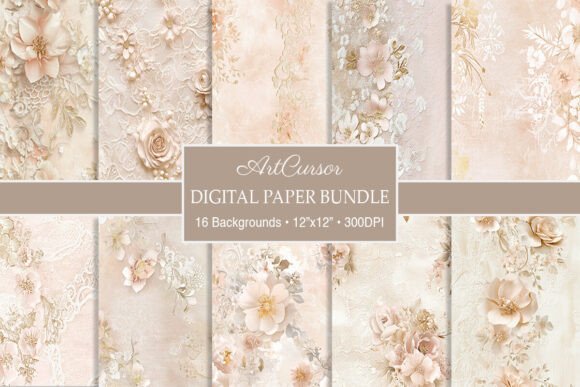
On the personal and crafting side, the applications are nearly endless. The package includes 16 high-resolution files (300 DPI, 12"x12"), making them ideal for print design. You can seamlessly print them on:
- Stationery & Invitations: Create unique wedding suites, party invites, or thank you cards with a tactile, handmade feel.
- Packaging & Labels: Design standout product labels for candles, soaps, or gourmet foods.
- Apparel & Merchandise: Print on t-shirts, tote bags, or mugs for a line of nature-inspired merchandise.
- Scrapbooking & Journals: Use as digital scrapbook paper or junk journal backgrounds for a cohesive project.
- Wall Art & Home Decor: Create printable art or use the texture as a background for framed quotes or photography.
Working with Texture: Design Considerations
Using a texture effectively requires more than just placing it behind your content. First, consider readability. A busy wood grain can compete with text. The solution is often to use the texture at a lower opacity, overlay a semi-transparent color block, or choose areas of the pattern with less contrast for your text placement. This is where having both PNG and JPEG files in the package is helpful—you can easily adjust opacity and blending modes in software like Photoshop, Illustrator, or even Canva.
Think about visual hierarchy. The texture should support your main message, not overshadow it. Use it for backgrounds, borders, or accent panels, and pair it with clean, simple typefaces. A strong sans serif font for headlines and a highly readable serif or sans serif for body copy often works well, creating a balance between the organic texture and modern typography.
Evaluate the project fit. Does the wood slice pattern align with your brand's voice? It's a superb choice for brands in the food, craft, outdoor, wellness, and artisanal product spaces. For a tech startup or a luxury fashion brand, it might feel out of place unless used in a very subtle, abstract way. Always test the texture in context. Mock up your design on a business card, a website header, or a t-shirt to see how it truly feels.
Finally, understand the commercial license. These assets are typically sold with a license that allows for use in end products for sale (like printed merchandise or client work), but not for reselling the digital files themselves. This makes them a cost-effective investment for freelancers and small business owners who need high-quality design assets for multiple projects.
In the end, Seamless Wood Slices Texture Backgrounds are more than just a pattern. They're a tool for storytelling, a way to inject personality and warmth into digital and physical creations. By thinking strategically about their application and pairing them with thoughtful design choices, you can create work that feels both professional and genuinely connected to the natural world.